
Blogs
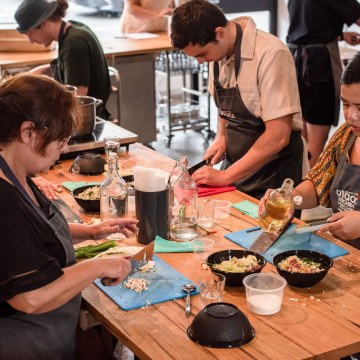
Whether they’re behind the counter of a major supermarket or running their own business, find a fishmonger who cares about cooking, eating and selling seafood. Wherever you are, don’t buy seafood in the same way you’d buy frozen meat or vegetables. Make it an occasion and try to eat it the same day if possible. Fish and seafood aren’t commodities you want to buy and eat the following week!
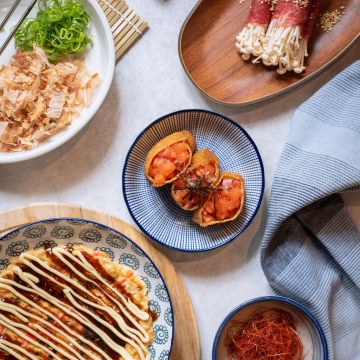
Yum Cha: The Delicious Experience of Eating Dim Sum
If you've ever strolled past a bustling Chinese restaurant on a Sunday morning and wondered about the steaming baskets and joyful chatter inside — welcome to the world of Yum Cha, the heart and soul of Cantonese cuisine.
Dim Sim vs Dim Sum: What’s the Difference?
Let’s clear up a common confusion.
-
Dim Sim, with an “i”, is a uniquely Australian creation — a thick-skinned, meat-filled dumpling often found at takeaways and fish-and-chip shops. Typically filled with pork and cabbage, it’s inspired by Chinese dumplings but has evolved into its own distinctly Aussie snack.
-
Dim Sum, on the other hand, is a traditional Cantonese style of serving bite-sized savoury and sweet dishes, commonly enjoyed with tea. Dim sum includes a wide range of delicacies — dumplings, buns, rolls, pastries and more — all served in small portions and shared communally.
Tips for Making Dough at Home: From Crispy Pancakes to Fluffy Bao
At Otao Kitchen, we love teaching you the art of dough-making—because once you get the basics right, you can create everything from golden spring onion pancakes to pillowy soft bao buns. This week, we’re diving into two contrasting dough recipes: unleavened (no rising agents) for frying, and leavened (with yeast) for steaming.
Here’s a step-by-step guide with all our top tips to help you master dough at home.
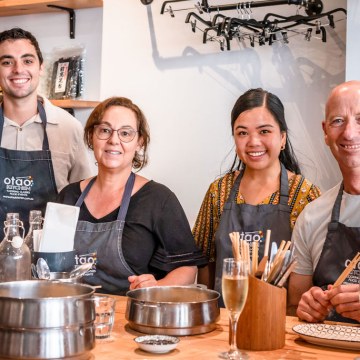
Steaming is one of the three main cooking techniques used in Chinese cuisine, alongside stir-frying and deep-frying. It is a healthy cooking method that allows the ingredients to truly shine without adding oils. It doesn't require mixing or stirring so it’s the preferred cooking method for delicate foods that might otherwise break apart.
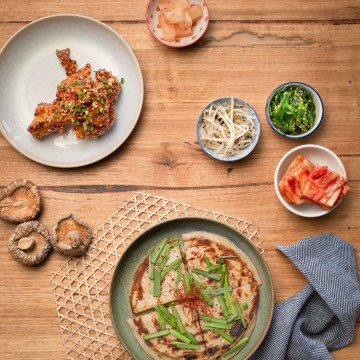
Tips for Eating Street Food When Travelling in Thailand
Travelling to Thailand isn’t just a journey through temples, beaches, and bustling markets—it’s a feast for the senses, especially your tastebuds. One of the country’s greatest cultural treasures is its vibrant street food scene, and if you're visiting Thailand, diving into its sizzling, steaming, flavour-packed stalls is practically a rite of passage.
In fact, street food is a way of life in Thailand. Many locals eat out more often than at home—partly because homes may not have full kitchens, and surprisingly, raw ingredients can sometimes cost more than prepared meals. Whether you're wandering Bangkok’s alleyways or exploring a night market in Chiang Mai, you'll find yourself surrounded by an irresistible selection of noodles, curries, grilled meats, dumplings, sticky rice, tropical fruits, and more—all incredibly affordable.
However, as with all street food adventures, especially in unfamiliar places, safety and hygiene are key. Here's how to enjoy Thai street food to the fullest—without getting sick.
How to Store Thai Curry Paste: Tips to Keep It Fresh and Flavourful
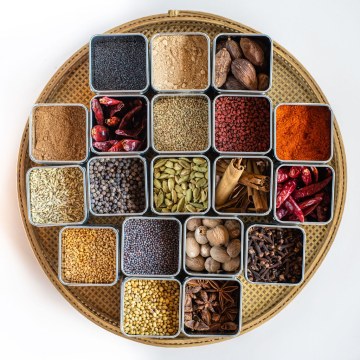
At Otao Kitchen, we know that the best Thai curries begin with bold, aromatic curry pastes. Whether you've crafted your own fresh paste during one of our Thai cooking classes or picked up a high-quality packaged version, preserving that vibrant flavour is key to unlocking delicious Thai dishes any night of the week.
In this guide, we’ll show you the best ways to store your curry paste — in the fridge or freezer — so none of that spice and aroma goes to waste.