Blogs
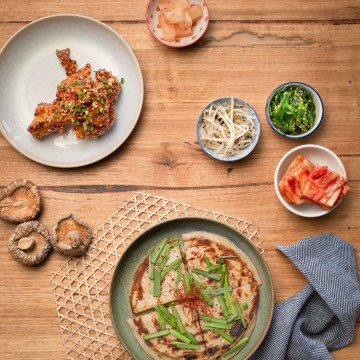
Making Flatbread On Your Stovetop: A Taste of India in Your Kitchen
Flatbreads are among the simplest and most versatile breads you can make at home. Nearly every culture has its own version—from Mexican tortillas to Middle Eastern pita—but in this post, we’re diving into the Indian subcontinent’s four most loved flatbreads: chapati, naan, roti, and paratha.
Whether you’re cooking a curry, soup, or simply want to wrap up some grilled vegetables, these flatbreads make the perfect sidekick—and best of all, you can make them easily right on your stovetop.
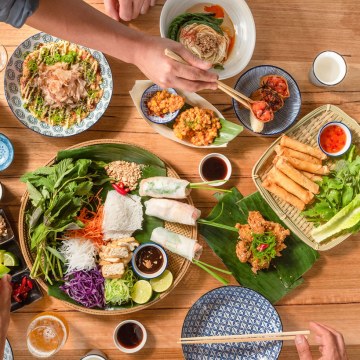
The Sattvic Diet: Pure Nourishment for Mind, Body & Spirit
Rooted in the ancient Indian system of Ayurveda, the Sattvic diet offers a powerful, holistic approach to food, health and consciousness. In a fast-paced world driven by convenience and heavily processed meals, the Sattvic lifestyle is a refreshing return to natural, mindful nourishment.
At Otao Kitchen, we love exploring global food philosophies that celebrate fresh, seasonal produce and conscious cooking. Whether you're a wellness seeker, yoga practitioner, or just curious about healthier living, this guide to the Sattvic diet will inspire you to transform the way you cook, eat, and feel.
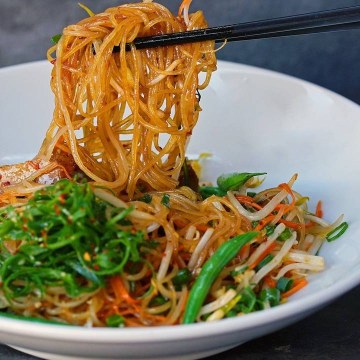
Asian Noodles: Your Ultimate Guide to Types, Storage, and Cooking Tips
When it comes to Asian cuisine, noodles are an essential component—versatile, comforting, and deeply rooted in cultural traditions. But did you know the word “noodle” is a Western creation? In Chinese, they’re called miàn (or mein in Cantonese), which refers not to their shape, but the fact they’re made by mixing flour with water. That means dumplings and tortellini are technically miàn too!
The Malaysian word “mee” is also derived from this Chinese root. With so many noodle varieties across Asia, finding the right one can be confusing. But don’t worry—we’ve put together this essential guide to help you choose, store, and cook the perfect noodles for your next dish.
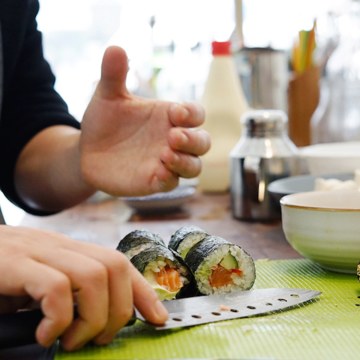
The Ultimate Guide to Rice: Types, Preparation, and Cooking Tips
Rice is one of the most widely consumed grains in the world, forming the foundation of meals in nearly every Asian cuisine. From fluffy basmati to sticky glutinous rice, the type you choose and how you prepare it can make or break a dish. Whether you're attending a cooking class at Otao Kitchen or simply cooking at home, this guide will help you choose, wash, and cook rice perfectly every time.
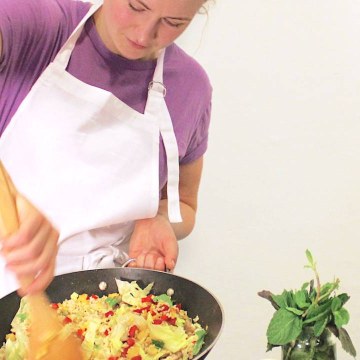
Stir-frying is one of the quickest and most satisfying ways to prepare a delicious, healthy meal. Originating in China over 1,500 years ago, this versatile cooking method has become a staple in home kitchens around the world. At its core, stir-frying is all about cooking bite-sized ingredients in a small amount of very hot oil while stirring constantly.
Whether you’re preparing a midweek dinner, using up leftover vegetables, or cooking for a crowd, stir-frying is a technique worth mastering. And the good news? You don’t need a commercial kitchen to get great results at home.
Why Stir-Fry? The Benefits
-
Fast: Most dishes take under 15 minutes once prep is done.
-
Healthy: Minimal oil, short cook times, and loads of vegetables.
-
Flexible: Great for using whatever you have in your fridge.
-
Flavourful: High heat seals in the juices and boosts umami-rich browning.
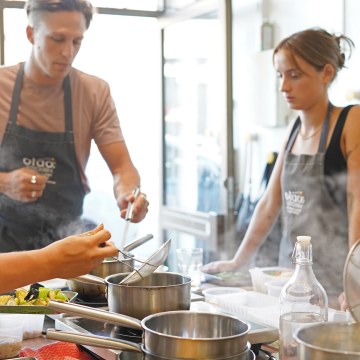
Chinese Pantry Essentials: What You Need to Cook Authentic Chinese Food at Home
Stocking your pantry with the right ingredients is the first step to unlocking the bold flavours of Chinese cuisine. Whether you’re diving into stir fries, soups, dumplings, or braised dishes, having the right pantry staples makes all the difference.
At Otao Kitchen, we teach thousands of people each year how to cook authentic Chinese dishes. Here’s a breakdown of the essential ingredients we recommend to start your Chinese cooking journey at home.