Blogs

 Otao Kitchen: The Best Way to Learn Multicultural Cuisine in Melbourne
Otao Kitchen: The Best Way to Learn Multicultural Cuisine in Melbourne
| 2 Likes

Otao Kitchen: The Best Way to Learn Multicultural Cuisine in Melbourne

Cooking is more than just a daily necessity—it's a cultural experience, a bonding activity, and a life skill that connects people across the globe. Whether you're preparing a weekday meal or celebrating a special occasion, food plays a central role. But for many, learning how to cook international cuisines can be challenging—where do you start, and who do you learn from?

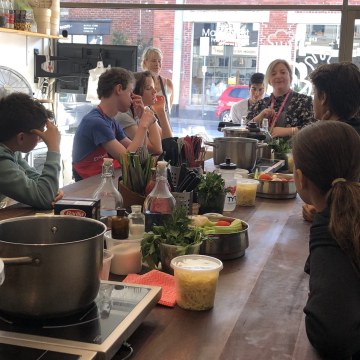
That’s where Otao Kitchen steps in. Based in Melbourne, Otao Kitchen offers a unique solution for food lovers and travellers alike by providing hands-on cooking classes that celebrate multicultural cuisine and culture. More than just a cooking school, it’s a space where authentic food traditions are preserved, shared, and celebrated.

Why Otao Kitchen Is a Top Choice for Cooking Classes in Melbourne

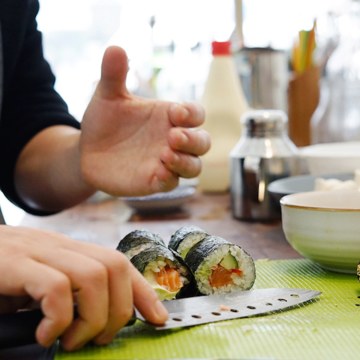
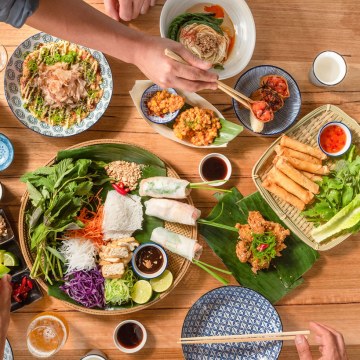
Otao Kitchen offers a wide variety of cooking classes—from Vietnamese, Thai, and Japanese to Greek, Indian, Mexican, Korean, Spanish, and even dumpling-making workshops. Their classes cater to individuals, groups, tourists, and even corporate team-building events.

Learn more
Inspiring Young Chefs: Kids and Teens' Online Cooking Classes by Otao Kitchen
| 1 Likes

Inspiring Young Chefs: Kids and Teens' Online Cooking Classes by Otao Kitchen

The pandemic reshaped the way we live, learn, and connect—especially for children and teens. With extended lockdowns and months of disrupted schooling, many families struggled to find meaningful ways to keep kids engaged at home. At Otao Kitchen on Victoria Street, we saw this challenge as an opportunity to do something truly special: teach young people to cook—online, interactively, and joyfully.


Learn more
Home Kitchen Knife Kit
| 3 Likes

We all know how important the right kitchen knife set can be. But then comes the question of which set to get: Sharp Japanese steel that makes quick work of meal prep or a cheaper one? We have been using these items in our cooking school for the last few years. 

To help you find the best kitchen knife set for your needs, we’ve turned to reviews from actual customers who have purchased and used these knives for themselves. 

Kiwi Knife Asian Cleaver

When it comes to Asian household, everyone will have one of these. Cheap and Cheerful. The cleaver is mostly used to slice boneless meats, chop, slice. It is an excellent tool for smashing garlic and ginger and also use it to transfer food from cutting board to wok or frying pan. You can use for cut meat such as chicken, beef for making minced meats. It is multi-purpose kitchen knives. This Thai cleaver looks much like the butcher cleavers familiar in butcher shops in the west, but thinner. Made from high quality stainless steel. The blade is around 20 cm long, 28 cm height and 15 cm wood handle. Product of Thailand.

Buy On Amazon Fr $33.92

Japanese Santoku Knife

Santoku means three virtues is a blade-style perfect for chopping, mincing and dicing vegetables. This  16.5 cm Wasabi Black is the handy knife you'll turn to again and again in your kitchen. This Wasabi line of knives is made in the traditional Japanese blade styling. To reduce food sticking, the blades are sharpened on a single side or sometimes being slotted. Although it has a traditional blade-style, it is paired with a uniquely modern handle material, polypropylene blended with bamboo powder, and impregnated with an agent for super clean food preparation.

Buy On Amazon Fr $48.97

Cut Resistant Gloves

The cut resistant gloves let you handle your grater, knives, and mandolin slicer while worrying less about bandaging a finger or worse. Great for the kids too.
Made of food-safe ultra-high molecular weight polyethylene, glass fibre and Spandex, these gloves have been designed to resist cuts from even the sharpest blades. We use these gloves for clients to make a salad so they don't cut themselves. Different Size.

NoCry Cut Resistant Gloves with Secure-Grip Microdots and Level 5 Cut Protection. Comfort-Fit. Food Grade, Size Medium. Includes Free eCookbook!""" style="-webkit-font-smoothing: antialiased; color: rgb(46, 145, 252);">Buy On Amazon Fr $16.99

 Whetstone 

When your kitchen knives are being used during every service you'll need to revive the blade to keep it sharp.

Just a few minutes using the 400 grit side and you'll restore dull blades. A few more minutes on the 1000 grit side and that edge will be sharper than before.

Wet the whetstone's surface to float away from the swarf. The silicone base keeps the whetstone in place, so you can keep a consistent angle.

Buy On Amazon from $26.99


Learn more
What Is Garam Masala? Everything You Need to Know
| 2 Likes

What Is Garam Masala? Everything You Need to Know

If you enjoy Indian cuisine, chances are you’ve come across garam masala — a warm, fragrant spice blend that adds depth and complexity to curries, soups, stews, and marinades. Whether you have a jar in your pantry or you're curious to make your own, let’s explore what makes this spice mix so special.

What Is Garam Masala?

Garam masala literally means “hot spices” in Hindi — but not hot as in spicy. Instead, the “heat” refers to the warming qualities of the spices on the body, according to Ayurvedic tradition. It’s a staple in North Indian cooking, where it’s used as a finishing spice or stirred in while cooking to enhance flavour.

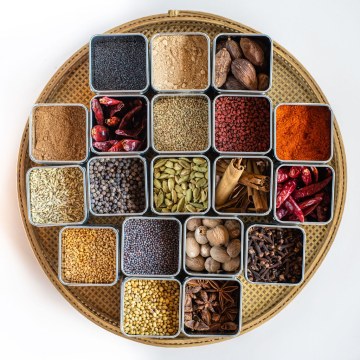
This aromatic blend typically includes cardamom, cinnamon, cloves, cumin, coriander seeds, black peppercorns, and nutmeg. Some regional variations also use mace, fennel seeds, bay leaves, or mustard seeds. Each household or restaurant may have its own unique version, so garam masala can taste slightly different every time you try it.

Learn more
Gas vs Charcoal: Mastering the Art of BBQ Grilling
| 1 Likes

Gas vs Charcoal: Mastering the Art of BBQ Grilling

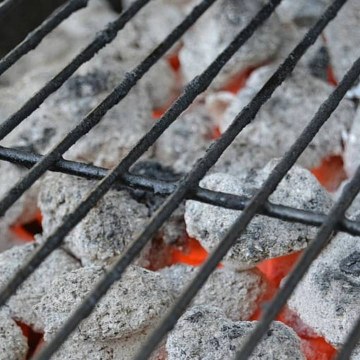
The debate between gas and charcoal grilling has been raging for decades. Which is better? The answer isn’t so simple—it depends on your priorities: flavour, convenience, cost, and control.

At Otao Kitchen, we believe that understanding both methods empowers you to make the most of your outdoor cooking experience, whether you're firing up the BBQ at home or learning with us at one of our grilling masterclasses.


Learn more
How to Buy, Store and Prepare Chickens?
| 6 Likes

Australians eat more chicken every year than any other meat or protein. It can be a nutritious and tasty choice, but raw chicken often contains nasty salmonella. If not handled properly, the bacteria could make someone really sick! Poultry is a product that deteriorates quickly, so it’s important to know when it is fresh or not. Here are some hints to find the freshest chicken and the best way to store it.

Buying Chicken

  • When purchasing chicken, make sure there’s no ‘off’ smell. Fresh poultry should have very little, or no aroma.
  • If buying a whole bird, ensure the skin, flesh and bones appear undamaged.
  • Chicken breasts should be plump with a very pale pink flesh.
  • Chicken thighs have a darker meat. They should have a dark pink flesh and a little white fat.
  • Make sure to purchase from a reputable supplier who has been approved by local authorities.
  • Check that the chicken is delivered at 5C or below.
  • Confirm that frozen chicken products are completely frozen and inspect the packaging for any signs of thawing.
  • Don’t accept any chicken that is soft, discoloured or sticky. Pay particular attention to the wings and joints.

Storage

To store chicken, leave it in its original packaging or place in a container and cover completely. Store on the bottom shelf (or the coldest part) of your the fridge for up to 2 days. This helps prevent contaminating any foods below. Cook any raw chicken within two days of purchase and freeze whatever you don’t use. Ensure to wrap your chicken in airtight packages. Label, date and keep refrigerated at 5C or below, or frozen at -15C or below.

If freezing fresh portions, do so immediately after purchasing (in its original packaging) for up to 2 months. Alternatively, separate the chicken into serving portions, thoroughly wrap in plastic bags or cling film and freeze for up to 2 months. It is very important to thaw chicken completely before cooking. To defrost, place the chicken in the fridge on a large plate (in its original packaging). This will take between 12-24 hours. Never refreeze chicken that has already been thawed. Cooked chicken can then be frozen for later use.

Commonly Used Cuts

Whole Bird

A whole chook can be used for roasting, poaching, making stock or dishes like Vietnamese Pho or Hainanese chicken rice. Alternatively, you can flatten or “butterfly” a chicken. This is a great way to roast or barbecue a whole bird, that promotes quick and even cooking. The secret to a delicious chicken is buying the best quality you can find, such as free-range, locally sourced or organic.

Breast & Tenderloin

Chicken breast is such a versatile cut of poultry. It’s a white meat with very little fat, perfect for throwing into stir-fries, grilling, steaming, pan-frying and oven roasting. They are also great for poaching to be used in salads, soups or sandwiches. Another method brilliant for cooking a chicken breast is crumbing. Not only do the breadcrumbs keep the chicken moist, but they also give a wonderful, crunchy texture (as seen in a chicken parma or katsu). 

Chicken breasts found in the supermarket tend to be quite large with the tenderloin attached. This can make them difficult to cook through perfectly, without drying out. To ensure your chicken cooks evenly and remains juicy, you can slice the breast into even cuts or use a rolling pin to slightly flatten it out. There’s nothing worse than eating a dried-out piece of chicken, so the key is to keep it moist without overcooking. Chicken is cooked through when a temperature probe reads 73C.

Tenderloins, found underneath the breast, are a delicious and speedy cooking option. They are slightly more tender than the whole breast and are great crumbed, fried, baked, or quickly marinated and chargrilled.

Thighs

Thighs can be bought as fillets (with or without skin) or cutlets with the bone attached. Chicken thigh meat is generally darker and has a little more fat than the breast. It’s a working muscle and therefore has more flavour comparatively. Diced chicken thighs are great for BBQ skewers, slow cooking, stir-frying or thrown into soups and curries. Use the whole thigh or cutlet for roasting, bakes, barbecues and stews.

Chicken Maryland is a cut where the thigh and drumstick are attached. Marylands are good for roasting, poaching, braising and baking. They are ideal for cooking slowly over a barbecue or char-grill.

Drumsticks & Wings

Chicken wings and drumsticks are typically cheaper per kilo but are often seen as the most flavourful. They are great baked, fried or simmered in a sticky glaze or marinade and eaten with your hands. The skin to meat ratio is greater in these cuts, so the outside gets nice and crispy, while the inside stays juicy. No matter what you do with this part of the chicken, it’s bound to taste good! It’s also really difficult to overcook wings and drumsticks, making for less stressful cooking.

Mince

Chicken mince can be used in making patties, rissoles, burgers, meatballs, or cooked in Chinese dishes like wontons and san choi bao, or in Thai stir-fry’s and salads. You can substitute chicken mince in almost any recipe where pork or beef mince is used.


Learn more