What to eat in Tokyo, from Tsukiji breakfast sushi and ramen to depachika, konbini, izakaya and yakitori, plus etiquette tips and the best time to go.
Working out what to eat in Tokyo is less about finding good food and more about choosing. The city is full of small places that make one thing and make it very well: a ramen counter with eight seats or a yakitori bar tucked under a railway line. Even the food in train-station shops and convenience stores is good enough to plan a meal around.
This guide walks through a Tokyo day of eating, from a market breakfast to a late night at an izakaya, with the manners that will make you feel at home and the best seasons to visit.
What to eat in Tokyo in the morning: Tsukiji outer market
Tokyo's famous wholesale fish market moved from Tsukiji to Toyosu in 2018, but the outer market at Tsukiji stayed, and it's still the best place for a seafood breakfast. It has around 460 shops selling fresh fish, dried goods, seasonings, kitchen knives and tableware, along with plenty of small counters cooking for visitors. Go between about 9am and 1pm, when it's at its liveliest, and check opening days before you go, as many shops close on Sundays, Wednesdays and public holidays.
Sushi for breakfast
Fish this fresh is the reason to come. Order nigiri at a counter and eat each piece as soon as it's put in front of you, while the rice is still at body temperature. If you use soy sauce, tip the piece over and dip the fish side, not the rice, which will fall apart and soak up too much. The chef has usually seasoned it already, so taste first.
Tamagoyaki and kaisendon
Tamagoyaki is a sweet, layered rolled omelette, cooked in a rectangular pan and often sold on a stick as you walk through the market. It's a good test of a cook's skill, because each thin layer has to be rolled before it sets. For something more filling, look for kaisendon, a bowl of sushi rice topped with raw seafood such as tuna, salmon roe and scallop.
Lunch: ramen and tsukemen
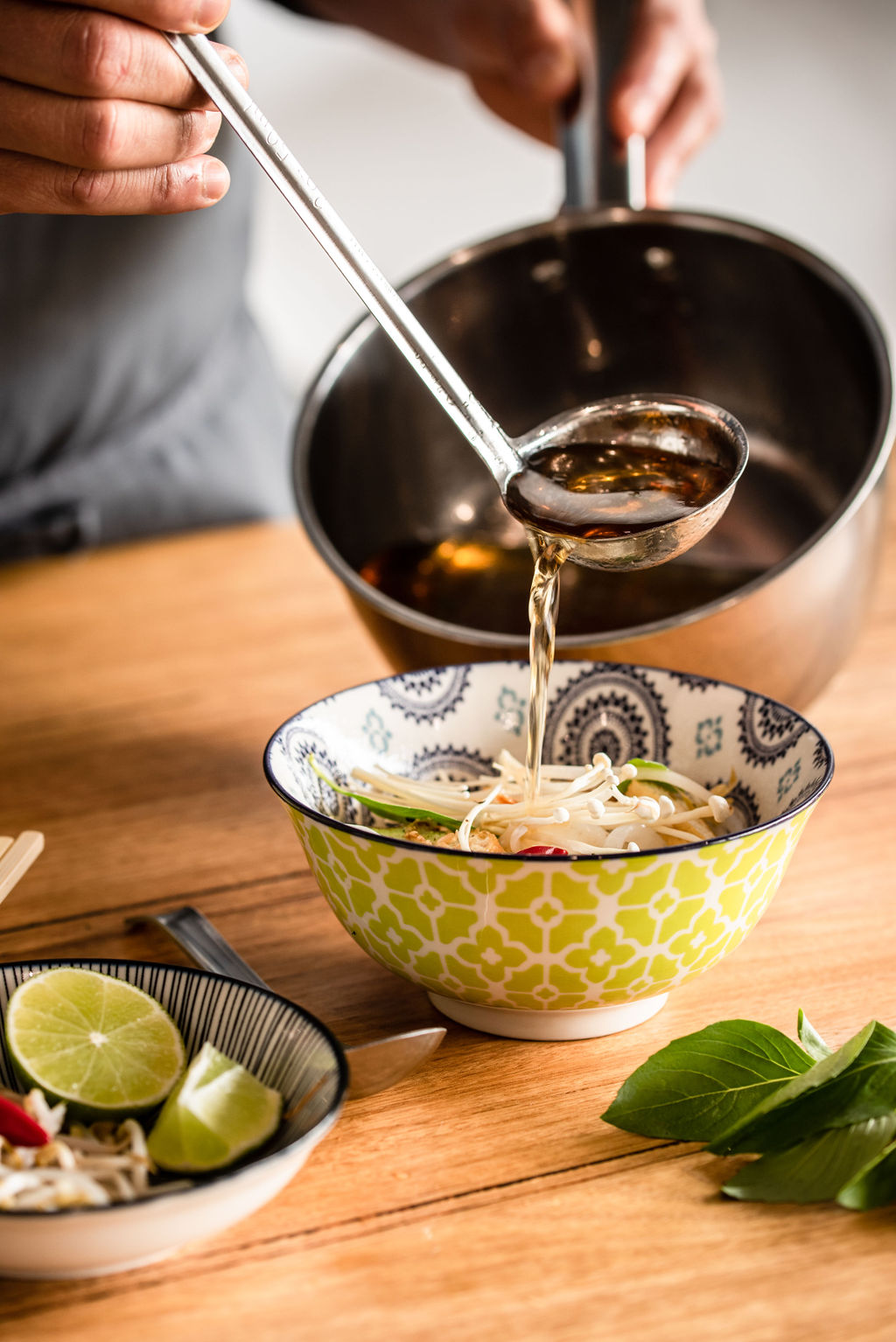
Ramen is Tokyo's lunch. The classic local style is shoyu ramen, a clear chicken or pork broth seasoned with soy sauce and topped with chashu pork, bamboo shoots, spring onion and a soft egg. You'll also find shio (salt), miso and rich, cloudy tonkotsu pork bone shops. Many places have a ticket machine at the door. You choose and pay there, then hand the ticket to the cook.
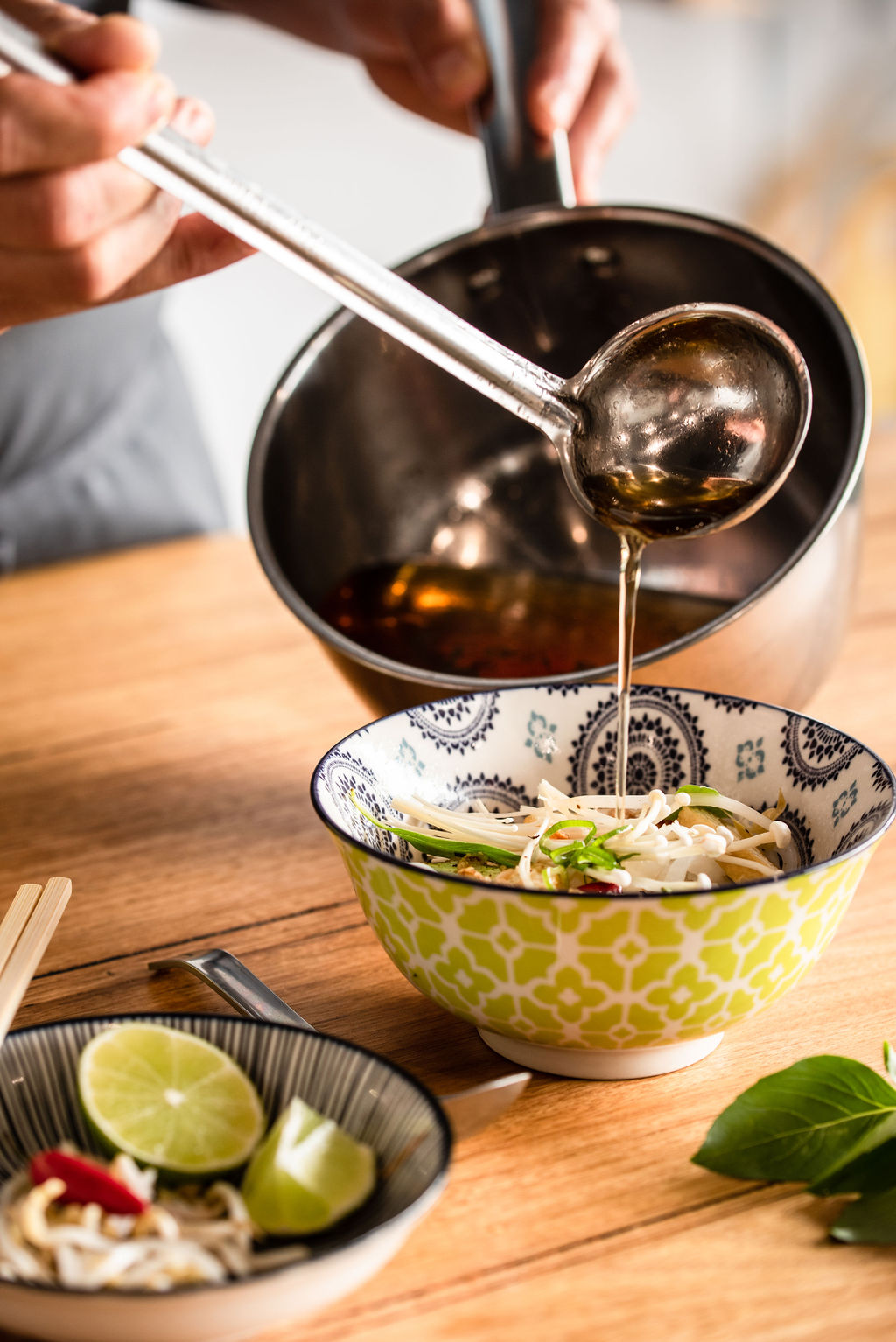
Tsukemen is the one to try if you haven't had it before. Thick, chewy noodles are served cold on one plate, with a small bowl of very concentrated hot broth for dipping. When you've finished the noodles, many shops will top up the leftover broth with a lighter stock so you can drink it. Ask for "soup wari". Slurping your noodles is completely fine here, and seen as a sign you're enjoying them.
Afternoon: depachika and konbini
A depachika is the food hall in the basement of a big department store, and they're one of the great free shows in Tokyo. Counter after counter sells beautifully packed bento, pickles, sweets, cakes, fresh produce and sake, and many shops offer samples. A lot of them connect straight to train stations, which helps on a rainy day. Go outside lunch and dinner peaks if you want room to look around, and buy a bento to eat back at your hotel or in a park.
Don't skip the konbini either. Tokyo's convenience stores do excellent onigiri (rice balls wrapped in nori, with fillings like salmon, tuna mayo or pickled plum), soft egg sandwiches and fried chicken. In the cooler months you'll see oden by the counter, a pot of fish cakes, daikon and eggs simmering in dashi. It's a cheap, honest snack and a good way to try Japanese flavours.
Night: izakaya and yakitori
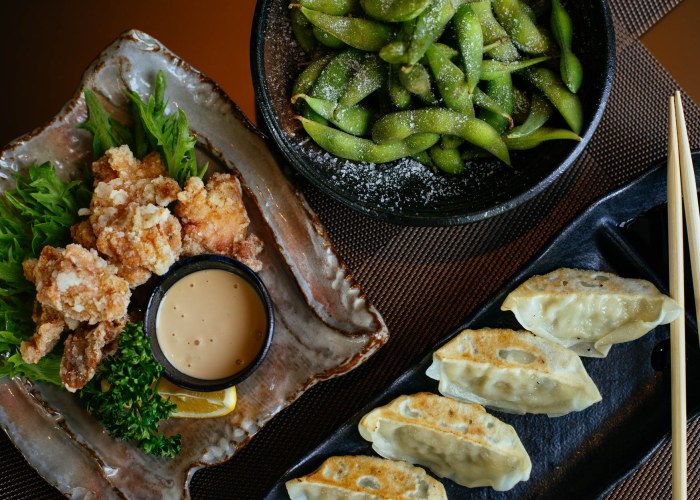
An izakaya is a Japanese pub where food and drink are equal partners. You order a few small plates at a time and keep going as the night goes on: edamame, karaage (Japanese fried chicken), sashimi, grilled fish, potato salad, a bowl of rice to finish. When you sit down, you'll often be given a small starter you didn't order, called otōshi. It's a normal table charge, not a mistake.
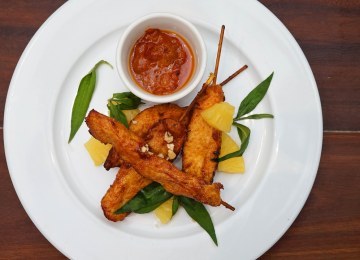
Yakitori is chicken grilled on skewers over charcoal, and the smoky little bars under the railway tracks are part of what makes Tokyo nights so good. Try momo (thigh), negima (thigh and spring onion), tsukune (minced chicken meatball) and kawa (crispy skin). Each skewer is seasoned either with salt, called shio, or with tare, a sweet soy glaze. Ask the cook which they recommend for each one.
How to eat well in Tokyo
Japanese dining manners are mostly about respect for the food and the people who made it. Say "itadakimasu" before you eat and "gochisōsama deshita" to the staff as you leave. If you're handed a hot towel (oshibori), use it for your hands only, not your face. A few chopstick rules matter: never stand them upright in a bowl of rice, never pass food from your chopsticks to someone else's, and don't hover over the plates while deciding what to take. Don't pour soy sauce over plain rice either.
Eating while walking along the street is uncommon and can come across as rude, so stand to the side and finish your snack near the shop or vending machine. Queue patiently, as popular ramen shops often have a line. Tipping isn't part of eating out in Japan. Hygiene standards in Tokyo are very high, so street and market food is generally safe. The main thing to watch is your timing, as small places close when they sell out.
When to go to Tokyo
Every season has its food. Spring brings cherry blossom in late March or early April, along with the biggest crowds. Summer is hot and humid, which is when cold noodles such as zaru soba and hiyashi chūka come into their own. Autumn is a favourite for eating, with mushrooms, chestnuts and grilled fish on menus and pleasant weather for walking between meals. Winter is cold and clear, and it's the best time for oden, hotpots and a steaming bowl of miso ramen.
Taste the trip at home
In our Japanese Cooking Masterclass we cook the flavours you'll meet in Tokyo, from dashi to sushi rice to a properly balanced tare. It's a 3-hour, hands-on class that ends with everyone sitting down to eat. If you'd rather cook in your own kitchen, our Ramen Noodle Making Kit + Online Class and Online Japanese Sushi Class with Hamper deliver the ingredients to your door.
For a recipe idea, try tsukemen at home. Make a strong, salty dipping broth by reducing a good stock with soy sauce, mirin and a splash of rice vinegar, and keep it hot. Cook thick ramen noodles, rinse them under cold water and serve on a plate with a soft egg and spring onion. Dip, slurp, then top up the broth at the end. Our post on Stock, Broth and Dashi will help with the base.