
Blogs
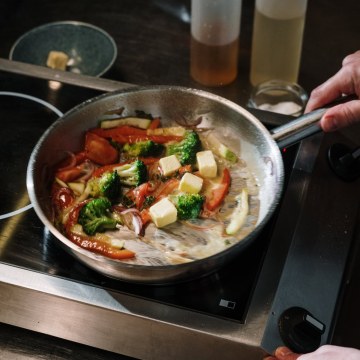
Choosing Pots and Pans to Improve Your Cooking? Rather than having a rack filled with pots and pans of all shapes and sizes, owning a few pieces will give you the flexibility to cook whatever you want and the performance you need to cook it better.
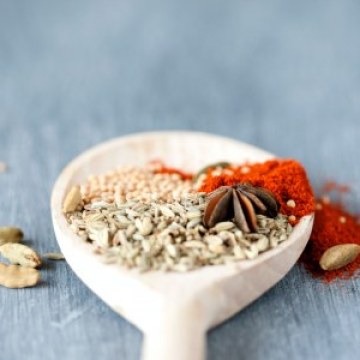
One popular spice mix is garam masala, a powdered blend that typically has five or more dried spices. These can include cardamom, black pepper, coriander, cumin, cinnamon, nutmeg and clove. Each culinary region (even household) has a distinctive garam masala blend and individual chefs will also have their own. This spice blend has so many uses.
Chaat Masala is must have in your pantry sprinkled on top of Indian snacks for a real flavour kick!
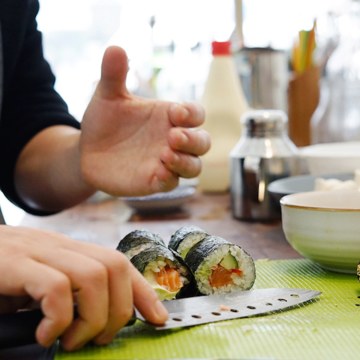
The Knives We Use? Whether you are new to cooking or experienced in your kitchen, mastering knife skills is not only important for keeping you safe but will make your recipes that much better. Ingredients that are cut uniformly cook at the same rate and result in a dish that is cooked properly throughout. Since each piece of food is cut in the same fashion, the finished dish will have a nice presentation.
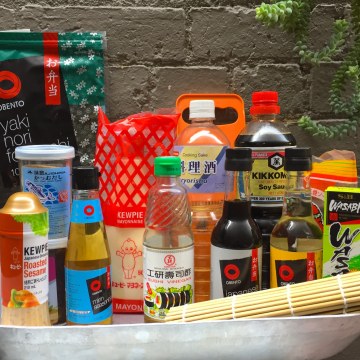
Many of us have overstocked essentials and thus we must learn the art of storing food with an extended shelf life thus minimizing food waste. Here are the tips which can help keep your food fresh for an extended period of time.
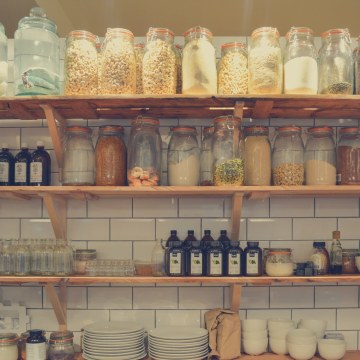
A stocked pantry is the best way to ensure you'll have everything you need to make a healthy and flavorful meal every day. A combination of classic pantry staples such as tin tomatoes, chicken broth and tin beans and flavour-boosting convenience items like herb mixes, soy sauce and jarred pesto are key to keeping your kitchen dinner-ready.
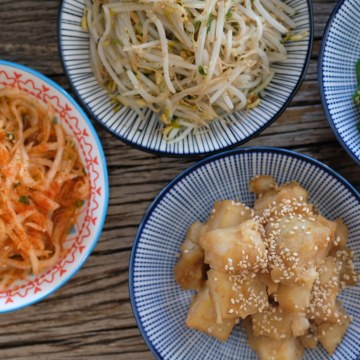
Planning your weekly meals doesn’t have to be complicated. With a little forethought, you can simplify your routine, save time and money, reduce waste, and enjoy healthy, delicious food all week long. Here’s a practical approach to building your weekly menu with ease.
1. Assess Your Week
Start by reviewing your upcoming schedule. Look at work hours, events, social plans, or kids’ activities—anything that affects how much time and energy you’ll have to cook. This will help you identify which days need quicker or more flexible meal options.
2. Take Stock of Your Pantry
Before planning meals or shopping, check your fridge, freezer, and pantry. Use what you already have to cut costs and reduce waste. Think about how you can incorporate those ingredients into your meals for the week.
3. Choose Your Recipes
Pick meals that match your dietary needs, skill level, and the time you have available. Try mixing in a variety of cuisines, ingredients, and cooking methods to keep things interesting.
For inspiration, explore Otao Kitchen's recipe collection—you’ll find easy and exciting recipes from all over the world.
4. Build a Weekly Meal Plan
Assign meals to specific days, keeping perishable ingredients in mind so they’re used early in the week. Here’s a sample layout:
-
Monday: Grilled Chicken and Vegetables
-
Tuesday: Stir-Fried Tofu and Rice
-
Wednesday: Pasta with Homemade Tomato Sauce
-
Thursday: Seafood Tacos with Fresh Salsa
-
Friday: Leftovers or Omelettes
-
Saturday: Homemade Pizza Night
-
Sunday: Slow-Cooked Roast with Veg
Having a plan helps you stay organised, reduces last-minute decisions, and makes grocery shopping easier.
5. Write Your Shopping List
Once you’ve picked your meals, write a shopping list. Organise it by category—produce, pantry, dairy, proteins—to make your trip efficient and stress-free.
6. Do Some Prep in Advance
If possible, prep a few items on the weekend: chop vegetables, marinate meat, cook grains, or make sauces. Small steps like these can save lots of time during busy weekdays.
7. Be Flexible
Life happens. Be prepared to swap meals around or replace them if needed. Keeping one or two simple backup meals—like soup, pasta, or frozen dumplings—can be a lifesaver.
Planning your weekly menu helps you take control of your food, eat better, and make cooking more enjoyable. For more recipes, meal ideas, and kitchen tips, visit the Otao Kitchen Blog.